Dadeh Pardazi Azmoudeh Karan
React Developer · Jul 2024 - Mar 2025
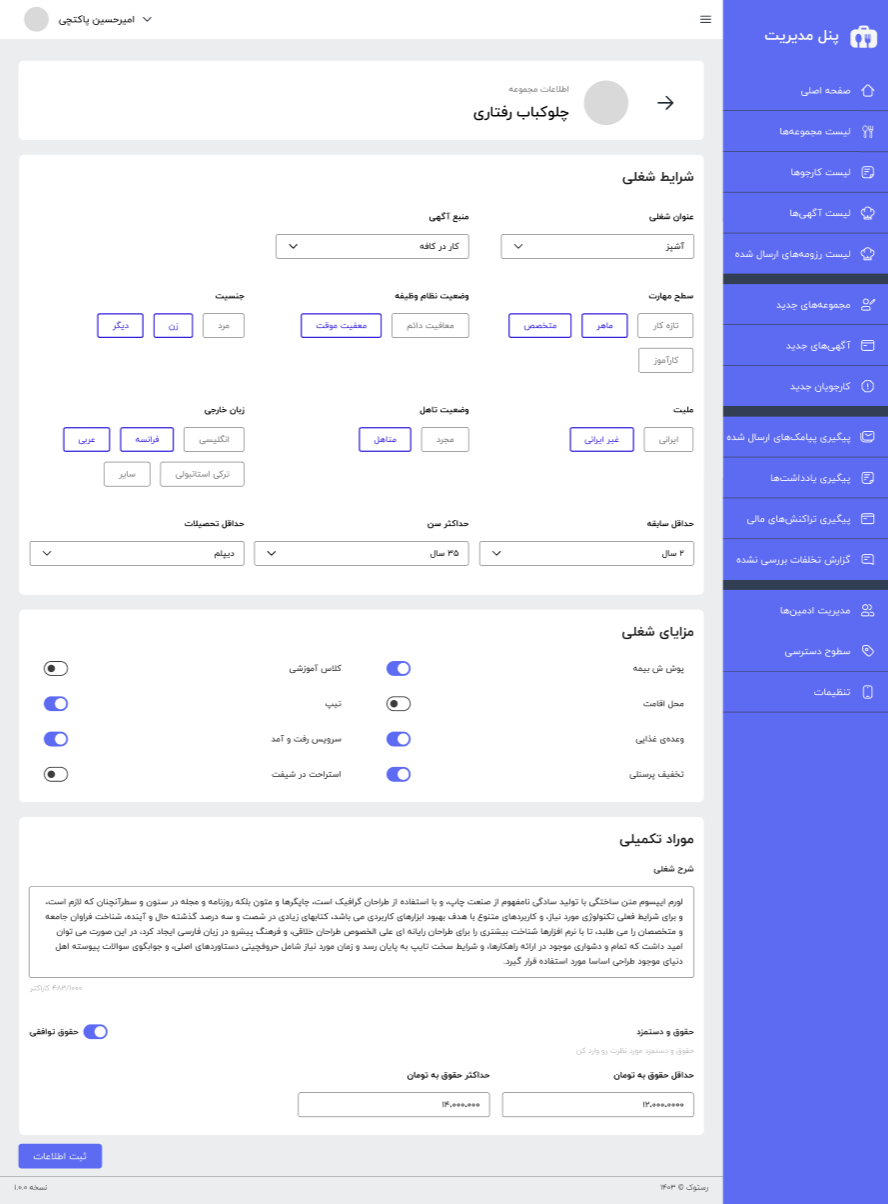
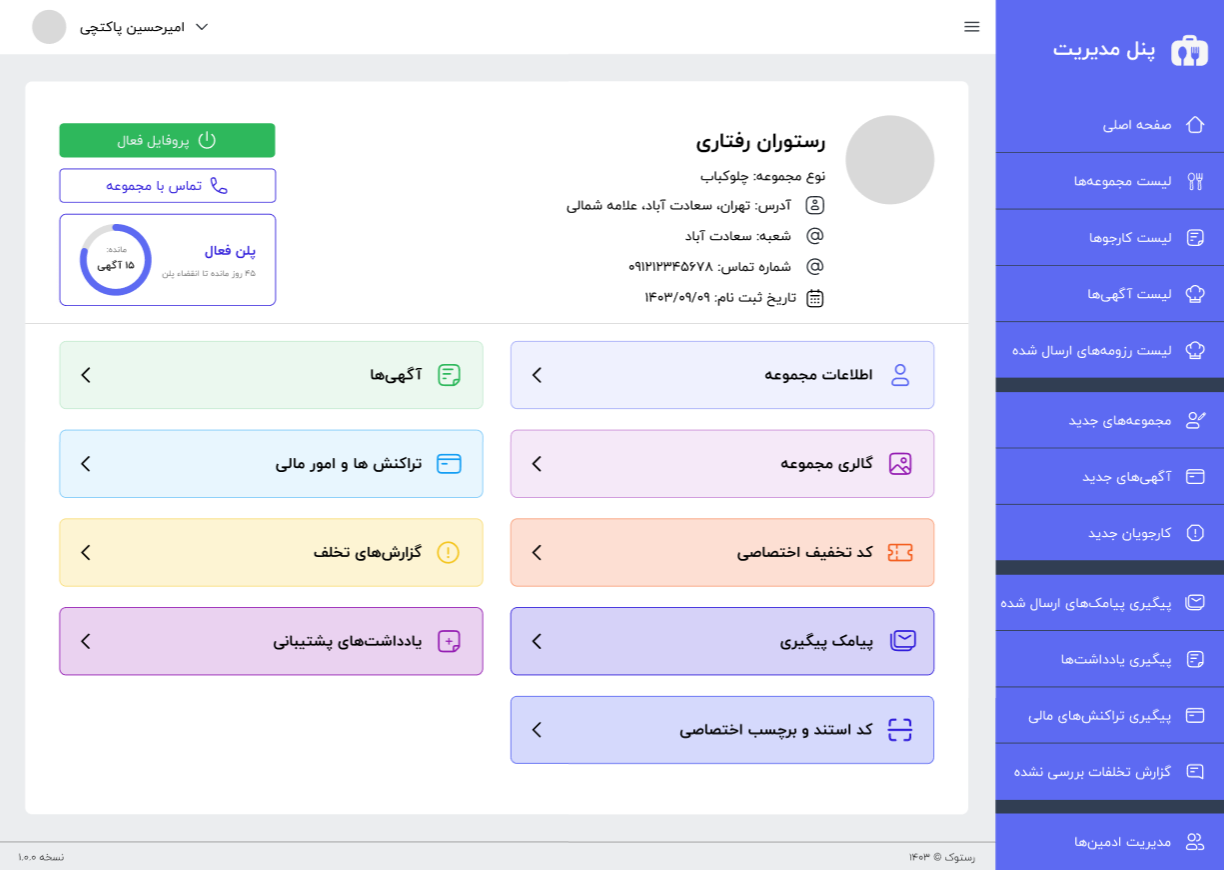
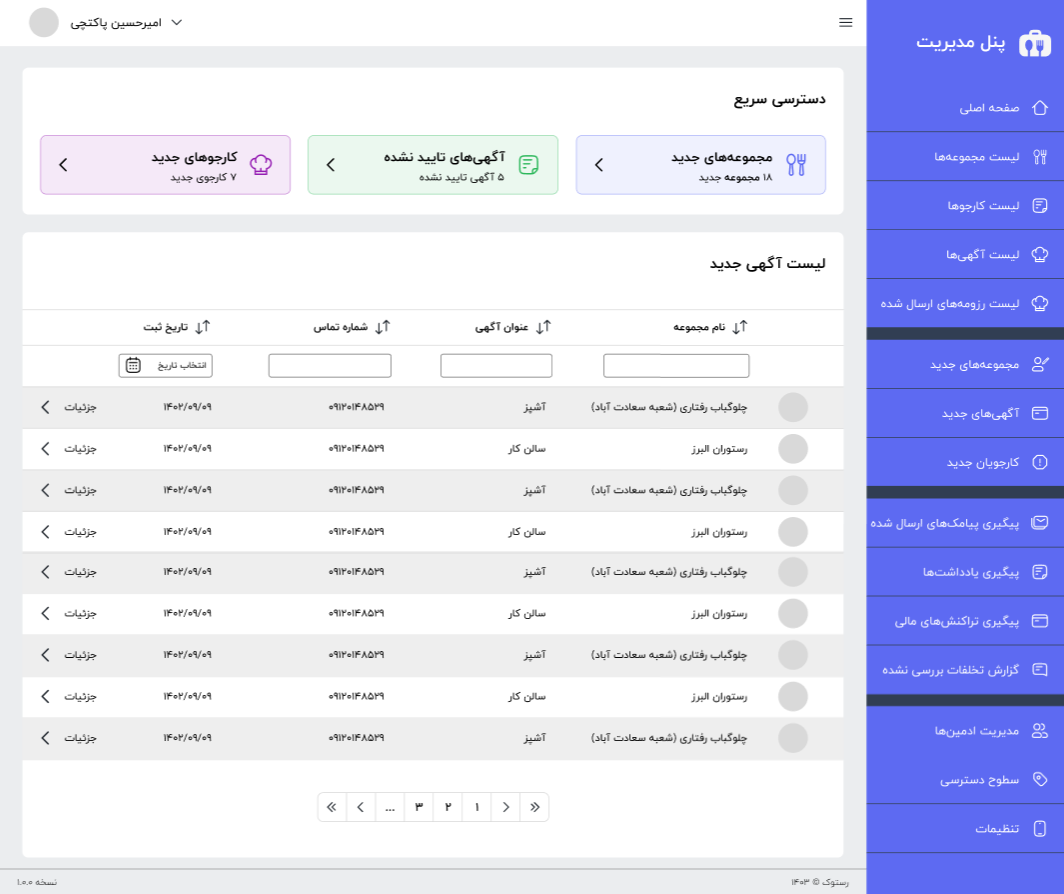
Built the front end of a large administrative platform from scratch, translating Figma designs into a production-ready React application with Ant Design and 60+ API integrations.

Gallery
Focus Areas
- Built the entire front end of the platform from scratch.
- Integrated 60+ REST APIs documented and tested through Swagger.
- Created reusable components and a maintainable project structure.
- Turned Figma designs into a production-ready React application.
- Customized Ant Design components extensively with CSS and SCSS.
Story
Continue reading
I joined Dadeh Pardazi Azmoudeh Karan in July 2024.
I first heard about the company through one of my former coworkers. The company needed a frontend developer who could build one of its projects from scratch, and my former coworker introduced me to them.
After they reviewed my resume, I had a few meetings with them. I showed them some of the projects I'd built before, and we talked about my experience and what I knew. Eventually, we agreed that I'd also complete a practical test, and if everything went well, they would give me the main project.
The product we were going to build was a large system for restaurants and people looking for work in the industry. Restaurants could manage their information, employees, and job openings, while applicants could create profiles and resumes and send them to restaurants.
A large part of the system was an admin panel that needed to be built from scratch. The designs for many of its pages weren't ready yet either, and they were going to be completed alongside development.
We used React and Ant Design for the frontend.
I already had experience with React, but I didn't know Ant Design very well. So I spent around a month working on a test and practice project, both to get familiar with the library and to give the company a chance to see how I worked.
During that time, I worked with different Ant Design components, built page structures and forms, and practiced working with Postman and API requests. I also regularly delivered the results of my work to the company.
After that stage, they gave me the main project.
The development team consisted of two people. I was responsible for the entire frontend, while another developer, who was around my age, was responsible for the backend.
This was the first real, large React project where I was fully responsible for the frontend from beginning to end.
I had to build everything from the login page and OTP authentication to the main dashboard, restaurant lists, individual and restaurant profiles, the resume builder, image and file uploads, and many other sections and features.
It was a large project, and building it took around seven months in total.
I remember reaching points throughout development where I would run into a wall and have no idea how to build the thing in front of me. I'd go read about it, try different approaches, learn how it worked, and then implement it in the project.
One of the things I cared about from the very beginning was the structure of the project.
I usually either don't do something at all, or, if I do it, I want it to be as organized and well-built as I can make it.
This project was going to have a lot of pages, components, and features, so from the start I paid close attention to the file structure, component organization, and shared parts of the application.
For the API requests, for example, I created custom functions and templates for GET, POST, PUT, and DELETE that I could reuse across different parts of the project.
The project had more than 60 APIs for retrieving information, creating new records, updating data, and handling other operations. I received the API documentation through Swagger, tested the requests, and then implemented them in the application.
Along the way, I also learned how to handle credentials in API requests and gained a much better understanding of how the frontend and backend communicate.
Another major part of my work involved Ant Design.
I really enjoyed working with the library. It was especially useful for an admin project with this many pages and so much data.
I used a lot of its features throughout the project, from tables and layouts to forms, responsive pages, and built-in transitions.
But one part that took a huge amount of my time was styling the components.
Many of the designs looked very different from Ant Design's default appearance, so I had to override and adjust a lot of its built-in styles with CSS and SCSS.
I think more than half of the time I spent styling the project went into fine-tuning the appearance of Ant Design components!
I also discovered skeleton loading while working on this project and really liked it. Whenever the application needed to fetch information from the server or complete an asynchronous operation, I used dynamic loading states so users could still see the structure of the page while they waited.
Technically, the project was a really valuable experience for me. But there was one part of the collaboration I didn't enjoy very much: the way work was organized at the company.
Before this collaboration, I had worked at MelkRadar and was used to a fully team-based environment where developers, testers, designers, and other people were constantly communicating and moving the work forward together.
That kind of environment didn't exist here.
The work was managed through Jira. I would see my tasks there, complete them, log the time I'd spent on them, and eventually deliver them for testing.
Some tasks were created by the project manager, some by the backend developer, and sometimes I created tasks myself for work that needed to be done.
Most of my communication was with the backend developer and the project manager.
Honestly, I didn't enjoy that way of working very much. I was used to an environment where I could discuss problems with other people, ask for help, and move a project forward as a team.
A lot of that communication was missing here, and that was a new experience for me.
On the other hand, it also meant I had more responsibility. There was no one working alongside me on the frontend, so for many problems I had to research, make decisions, and move the work forward on my own.
There's another interesting detail about when I built this project.
AI tools at the time weren't like they are today. They couldn't connect to VS Code, understand the structure of an entire project, and build new parts based on the code you'd already written.
So I wrote almost all of the project's code myself and by hand, from the initial structure and components to API integrations, data management, and styling.
After around seven months, the main parts of the project were ready, and the company could move on to marketing and the next stages of the product. I delivered my work, and my collaboration with the company came to an end.
Overall, I had a good experience working with Dadeh Pardazi Azmoudeh Karan. The work environment and team communication weren't something I particularly enjoyed, but technically, the project taught me a lot.
For the first time, I had complete responsibility for the frontend of a large React project, from scratch all the way to delivery. Despite all the problems I ran into along the way, I ended up building a clean, high-quality project that I was genuinely happy with.
تابستان ۱۴۰۳ وارد شرکت دادهپردازی آزمودهکاران شدم.
آشنایی من با این شرکت از طریق یکی از همکارهای قبلیم اتفاق افتاد. شرکت به یه برنامهنویس فرانت نیاز داشت که بتونه یکی از پروژههاشون رو از پایه بسازه و این آشنا من رو بهشون معرفی کرد.
بعد از اینکه رزومهم رو دیدن، چند جلسه باهاشون داشتم. پروژههایی که قبلا ساخته بودم رو بهشون نشون دادم و درباره تجربههام و چیزهایی که بلد بودم صحبت کردیم. در نهایت قرار شد یه مرحله تست عملی رو هم بگذرونم و اگه همهچیز خوب پیش رفت، پروژه اصلی رو بهم بدن.
پروژهای که قرار بود بسازیم، یه سیستم بزرگ برای رستورانها و افرادی بود که دنبال کار تو این حوزه میگشتن. رستورانها میتونستن اطلاعات، کارکنان و درخواستهای استخدامشون رو مدیریت کنن و متقاضیها هم میتونستن پروفایل و رزومه بسازن و برای رستورانها بفرستن.
بخش بزرگی از این سیستم یه پنل مدیریتی بود که باید از صفر ساخته میشد. دیزاین خیلی از صفحهها هم هنوز آماده نبود و قرار بود همزمان با توسعه پروژه تکمیل بشه.
برای ساخت فرانت از React و Ant Design استفاده میکردیم.
من اون موقع با React کار کرده بودم، ولی Ant Design رو خیلی خوب نمیشناختم. برای همین حدود یه ماه رو روی یه پروژه تستی و تمرینی کار کردم تا هم با این کتابخونه آشنا بشم، هم شرکت بتونه نحوه کار کردنم رو ببینه.
تو این مدت با کامپوننتهای مختلف Ant Design کار کردم، ساختار صفحهها و فرمها رو ساختم و کار با Postman و درخواستهای API رو هم تمرین کردم. خروجی کارم رو هم به شرکت تحویل میدادم.
بعد از این مرحله، پروژه اصلی رو بهم سپردن.
تیم توسعه پروژه دو نفر بودیم. من مسئول کل Front-End بودم و یه برنامهنویس دیگه که تقریبا همسن خودم بود هم مسئول Backend.
این اولین پروژه واقعی و بزرگ Reactی بود که از ابتدا تا انتها مسئولیت کامل فرانتش با خودم بود.
از صفحه Login و ورود با OTP گرفته تا داشبورد اصلی، لیست رستورانها، پروفایل افراد و رستورانها، رزومهساز، آپلود عکس و فایل و کلی بخش و قابلیت دیگه که باید ساخته میشدن.
پروژه خیلی بزرگ بود و ساختنش در مجموع حدود ۷ ماه طول کشید.
یادمه تو این مدت بارها وسط پیادهسازی یه قسمت به یه دیوار میخوردم که نمیدونستم دقیقا باید چیکارش کنم. میرفتم دربارهش میخوندم، راههای مختلف رو امتحان میکردم، یادش میگرفتم و بعد تو پروژه پیادهسازیش میکردم.
یکی از چیزهایی که از همون اول برام مهم بود، ساختار پروژه بود.
من معمولا یا کاری رو انجام نمیدم، یا وقتی انجامش میدم دوست دارم تا جایی که میتونم مرتب و باکیفیت باشه.
این پروژه هم قرار بود صفحهها، کامپوننتها و قابلیتهای زیادی داشته باشه و برای همین از همون اول روی ساختار فایلها، کامپوننتبندی و قسمتهای مشترک پروژه خیلی دقت کردم.
مثلا برای درخواستهای API یه سری فانکشنها و تمپلیتهای کاستوم برای GET، POST، PUT و DELETE ساختم که تو قسمتهای مختلف پروژه ازشون استفاده میکردم.
پروژه بیشتر از ۶۰ تا API مختلف برای گرفتن اطلاعات، ثبت اطلاعات جدید، آپدیت کردن دادهها و کارهای دیگه داشت. مستندات APIها رو از طریق Swagger دریافت میکردم، درخواستها رو تست میکردم و بعد تو پروژه پیادهسازیشون میکردم.
تو همین مسیر با مدیریت Credentialها تو درخواستهای API هم آشنا شدم و چیزهای جدیدی درباره ارتباط فرانت و بکاند یاد گرفتم.
بخش بزرگ دیگه کارم مربوط به Ant Design بود.
من از کار کردن با این کتابخونه خیلی خوشم اومد. مخصوصا برای ساخت یه پروژه ادمینی با این حجم از صفحهها و اطلاعات، امکانات خیلی خوبی داشت.
از Tableها و Layout گرفته تا فرمها، Responsive کردن صفحهها و Transitionهای آمادهش، خیلی تو پروژه ازشون استفاده کردم.
ولی یکی از قسمتهایی که حسابی وقتم رو میگرفت، استایل کردن کامپوننتها بود.
خیلی از چیزهایی که تو دیزاین داشتیم با ظاهر پیشفرض Ant Design فرق میکرد و لازم بود کلی از استایلهای پیشفرضش رو با CSS و SCSS تغییر بدم.
فکر میکنم بیشتر از نصف وقتی که برای استایلنویسی پروژه گذاشتم، صرف همین Fine-tuning کردن ظاهر کامپوننتهای Ant Design شد!
تو همین پروژه با Skeleton Loading هم آشنا شدم و ازش خیلی خوشم اومد. برای بخشهایی که لازم بود اطلاعات از سرور گرفته بشه یا یه عملیات Async انجام بشه، از Loadingهای داینامیک استفاده میکردم تا کاربر موقع منتظر موندن، ساختار صفحه رو ببینه.
از نظر فنی پروژه برام تجربه خیلی خوبی بود، ولی یه قسمت از این همکاری رو خیلی دوست نداشتم: مدل کار کردن تو شرکت.
من قبل از این همکاری تو ملکرادار کار کرده بودم و به یه محیط کاملا تیمی عادت داشتم. جایی که دولوپرها، تیم تست، دیزاینرها و بقیه افراد مدام با هم در ارتباط بودن و کارها با همکاری تیمهای مختلف جلو میرفت.
ولی اینجا چنین محیطی وجود نداشت.
کارها از طریق Jira مدیریت میشدن. من تسکهام رو اونجا میدیدم، انجامشون میدادم، زمان کاری که روشون گذاشته بودم رو ثبت میکردم و در نهایت برای تست تحویل میدادم.
بعضی از تسکها رو مسئول پروژه تعریف میکرد، بعضیها رو برنامهنویس بکاند و بعضی وقتها هم خودم برای کارهایی که لازم بود انجام بشن تسک میزدم.
ارتباطم هم بیشتر با برنامهنویس بکاند و مسئول پروژه بود.
راستش این مدل کار کردن رو خیلی دوست نداشتم. من به محیطی عادت داشتم که توش میشد درباره مسائل با بقیه صحبت کرد، از هم کمک گرفت و بهصورت گروهی پروژه رو جلو برد.
اینجا خیلی از اون ارتباطها وجود نداشت و این برام چیز جدیدی بود.
البته از یه طرف هم باعث شد مسئولیت بیشتری روی دوشم باشه. کسی نبود که تو ساخت فرانت کنارم باشه و برای خیلی از مسائل باید خودم تحقیق میکردم، تصمیم میگرفتم و کار رو پیش میبردم.
یه نکته جالب دیگه هم درباره زمان ساخت این پروژه هست.
اون موقع ابزارهای AI هنوز مثل امروز نبودن که به VS Code وصل بشن، ساختار کل پروژه رو ببینن و بتونن بر اساس کدهایی که نوشتی برات قسمتهای جدید بسازن.
برای همین تقریبا تمام کدهای پروژه رو خودم و بهصورت دستی نوشتم. از ساختار اولیه و کامپوننتها گرفته تا اتصال APIها، مدیریت اطلاعات و استایلنویسی.
بعد از حدود ۷ ماه، قسمتهای اصلی پروژه آماده شده بودن و شرکت میتونست سراغ بازاریابی و مراحل بعدی محصول بره. من هم کارم رو تحویل دادم و همکاریم با شرکت به پایان رسید.
در مجموع همکاری خوبی با دادهپردازی آزمودهکاران داشتم. از نظر محیط کاری و ارتباط تیمی، تجربهای نبود که خیلی دوستش داشته باشم، ولی از نظر فنی چیزهای زیادی بهم یاد داد.
برای اولین بار مسئولیت کامل فرانت یه پروژه بزرگ React رو از صفر تا تحویل به عهده داشتم و با وجود تمام مشکلاتی که تو مسیر ساختش بهشون خوردم، در نهایت پروژه تمیز و باکیفیتی ساختم که از نتیجهش راضی بودم.
Ask ChatGPT
Get a summary or ask questions about this page.