MelkRadar
Front-End Technical Lead & Internal Tools Developer · Aug 2026 - Oct 2026 · Aug 2023 - Jan 2026
Joined MelkRadar as an intern and grew into a Front-End Technical Lead, helping build products across its ecosystem, guiding the frontend team, and creating internal automation systems used in daily operations.

Gallery
Focus Areas
- Built production frontend features across 6 products and initiatives in the MelkRadar ecosystem.
- Reviewed 376+ pull requests across 3 frontend projects over 1 year and 9 months.
- Onboarded 11 frontend developers and transferred the review workflow to a trained teammate.
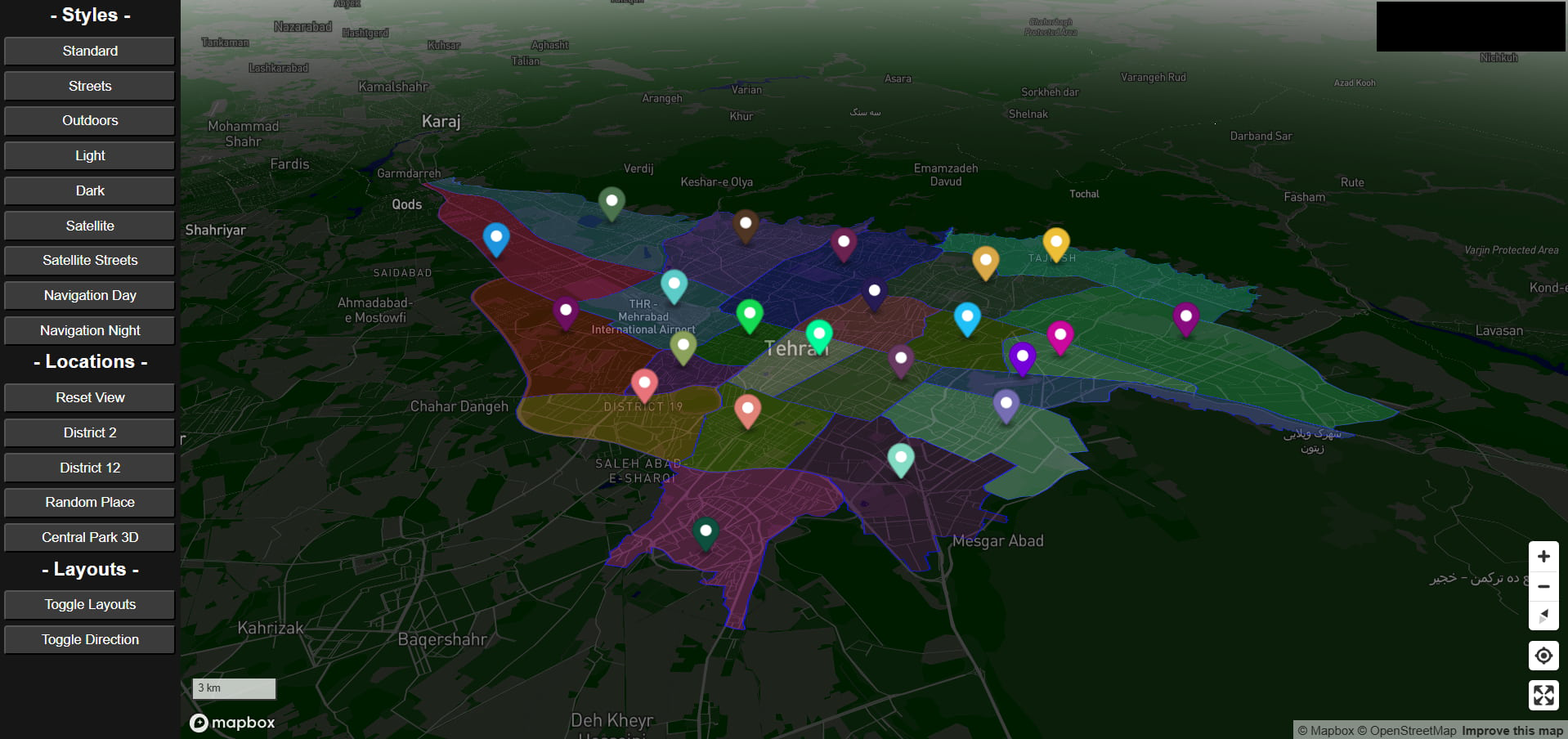
- Researched and integrated Mapbox GL JS through eight focused prototypes.
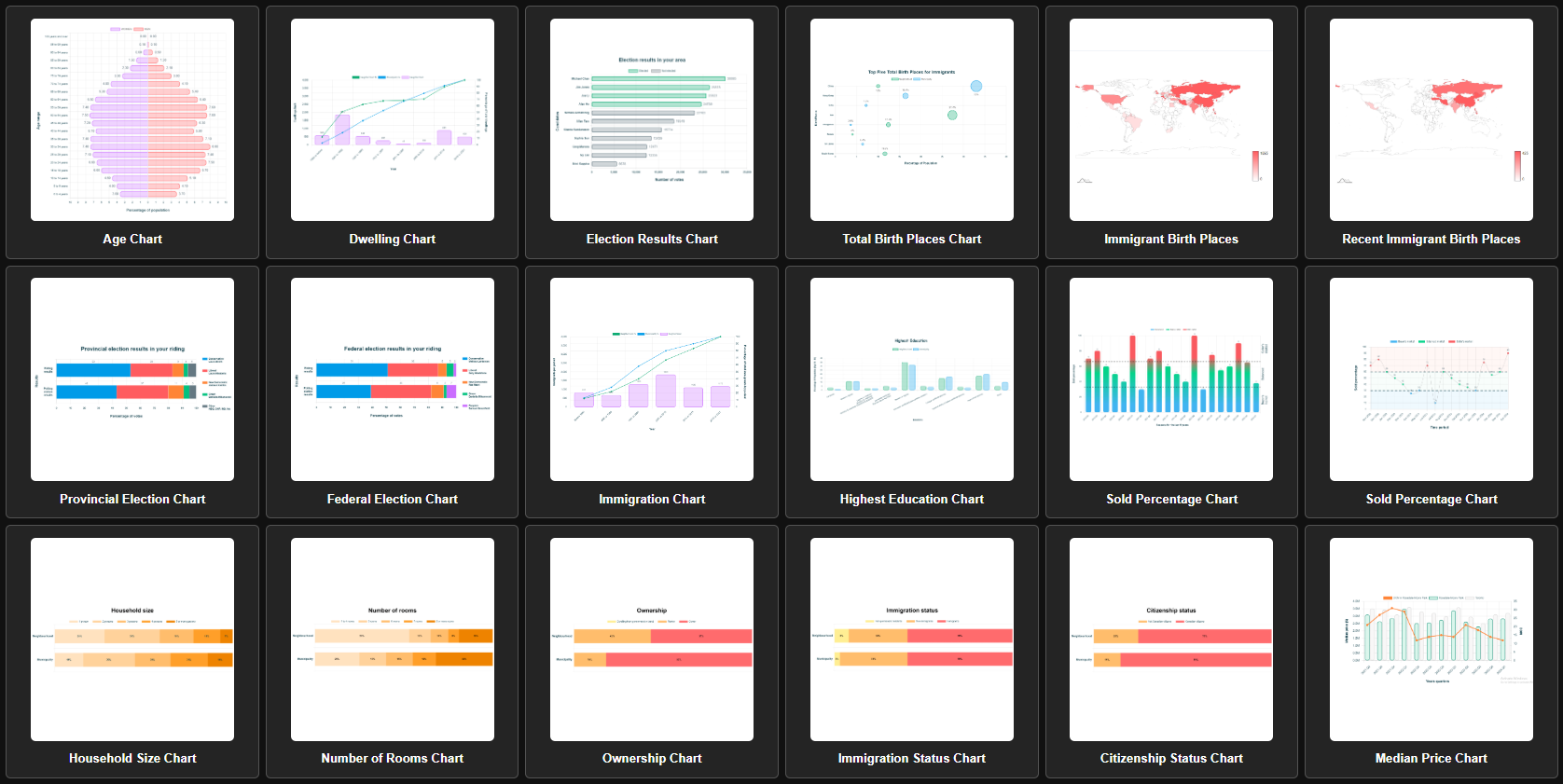
- Delivered 50+ charts with 20+ reusable templates and design documentation.
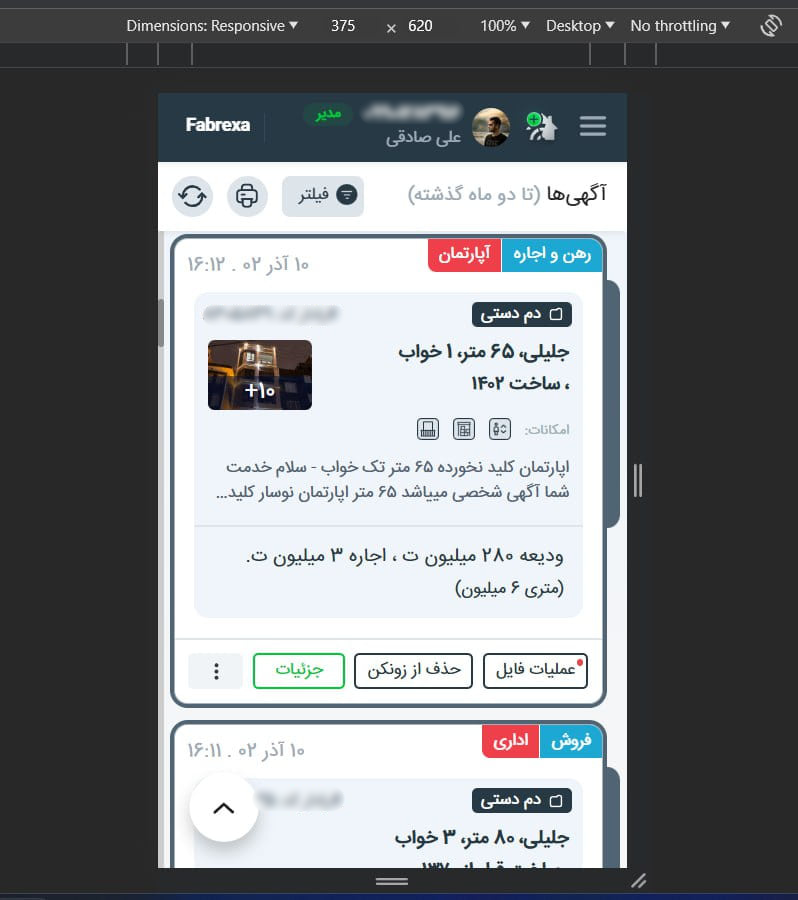
- Built an Android, Node.js, and Telegram automation system that processed 3.5 times the typical monthly request volume in its first month.
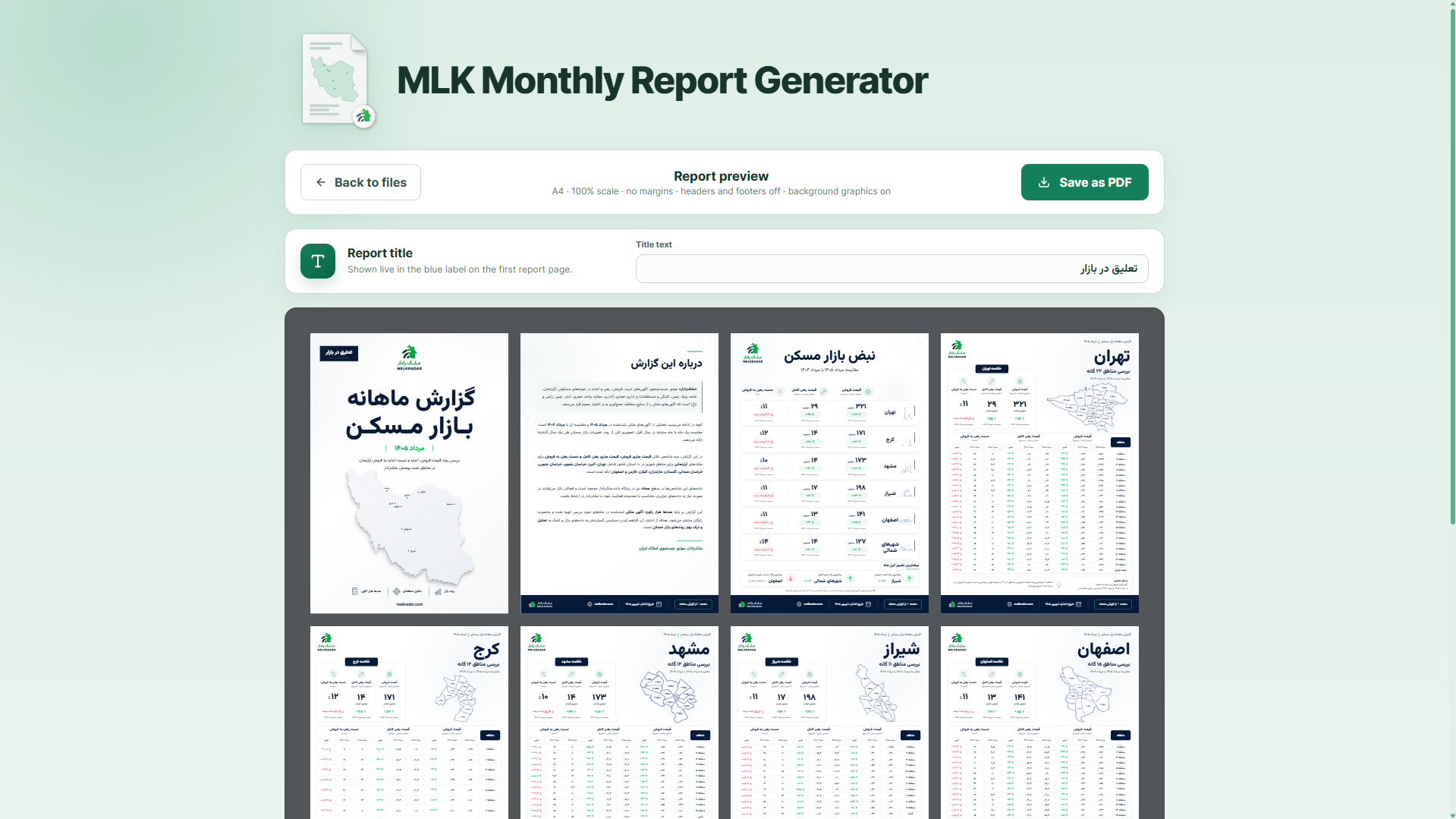
- Built an automated Excel-to-PDF generator for the company's monthly reports.
Story
Continue reading
I joined MelkRadar on July 31, 2023.
I was 21 at the time, and this was my first real work experience.
I got to know MelkRadar through the CS Internship program. MelkRadar was one of the companies supporting the program, and interns could apply to join these companies as trainees after completing their self-study track.
The internship at MelkRadar was supposed to last six months and was unpaid. But when I was around Step 4 or 5 of the CS Web Development track, I was offered the opportunity to join the company before finishing the program.
I talked it over with a few friends and people I knew, and eventually decided to accept the opportunity.
And that was the beginning of my journey at MelkRadar.
When I joined, I started by getting to know the team members, the projects, and how things worked at the company. My role was Front-End Developer, and I spent roughly my first month working on MelkRadar's main product while going through the onboarding process.
MelkRadar was a software company with its own main product: a website that collected real estate listings from different sources and presented them to users alongside various tools and useful features.
One of the first things that caught my attention was how organized and professional the company was.
We managed our work through Azure DevOps, had clear plans for tasks and sprints, reviewed pull requests, worked with a dedicated testing team, and followed established processes for builds and releases.
I learned a lot about working in a real development team during those first few months. From the company's coding and styling standards to creating branches, opening pull requests, requesting builds and releases, writing test cases, working with Figma, and communicating with the testing team.
At the same time, I was also learning about the company's business and its different departments.
The company was fully remote, with people working together from different parts of Iran and even from other countries. Despite the distance, the teams were constantly in touch, and we kept things moving through meetings, documentation, and project management tools.
After about a month, a few of us moved to another company project where we were going to build a new website from scratch.
I was happy to be part of that project because it gave me the chance to see how a new project started in a professional company, what was expected from us, and how we could take it from the initial stages to something ready to deliver.
It was a fairly demanding project, especially for someone who had just entered the professional world. But we worked through it as a team and eventually built its main website.
That period of my life was really busy.
I was working at MelkRadar, continuing my programming journey at CS Internship, going through my third and fourth semesters at university, and taking a React course on my own. I also had personal things going on that took up some of my time.
I remember it being a pretty fun period. It felt like several huge new worlds had suddenly opened up in front of me, and I was taking little baby steps into each of them, slowly getting familiar with everything.
After that project, one of the things I worked on for MelkRadar's main website was a complete redesign of its card structure.
I spent a lot of time on the appearance, details, and overall quality of the result, and it turned out really clean and well-built. I remember the company's manager thanking me for that work, and as someone who was still pretty new to the professional environment, that meant a lot to me.
I also spent some time working on the company's Chrome extension. Its structure was quite different from the projects I'd worked on before, so I had to get familiar with its environment and how things worked. But I managed to complete and deliver the task I was assigned.
Then the company took on another project, this time involving an Android app.
This was one of the most demanding projects I'd experienced at that point.
Everything moved incredibly fast. Sometimes we'd receive tasks by the hour, set hourly deadlines, and have to deliver the work within that same timeframe. The workload was intense, and pretty much everyone involved in the project was dealing with that pressure.
My responsibilities were mostly related to the app's appearance and styling. I was constantly coordinating and having meetings with the company's manager, CTO, and other team members to keep things moving.
Even though it was demanding, I really enjoyed working on that project. I learned new things and got to know more people from different parts of the company.
After that project, the company decided to end my internship earlier than planned.
The internship was originally supposed to last six months, but after around three months, they were happy with my work and decided to bring me on as a paid member of the team.
From then on, I was paid hourly, and I received the first paycheck of my professional life!
After that project ended, the company decided to build a new product called KhodroRadar.
MelkRadar's main product focused on real estate listings, and the idea behind KhodroRadar was to build something similar for car listings.
The project was going to be built with .NET and Blazor, and we used SCSS for styling. A large part of the company's development team was comfortable with C# and the .NET ecosystem, so many of our projects were built around those technologies.
For about six months, most of my attention and tasks were focused on KhodroRadar.
The design was really clean, professional, and well thought out, and our job was to turn it into a real product. We built different parts of the website and its components, worked on their appearance and behavior, and kept developing the project until it was eventually launched and put into use.
Later, the company took on a very large project for an international client.
I can't share many details about the project, the client, or exactly what the product did, since some of the company's project information isn't something I'm allowed to make public. So I'll keep certain parts of this story a little more general.
The project was initially a very large React application with a professional and fairly complex structure. But the plan was to eventually migrate it to technologies the company's team was more comfortable working with.
Before that migration, we needed to spend a few months working on the existing React version and adding new features to it.
At the time, only two or three other developers and I had solid experience with React, so moving that part of the project forward came with its own challenges.
This was my first time working closely with a React project of that scale.
From how state was managed with Redux to data flow, contexts, API calls, and the connections between different parts of the application. Since most of my experience until then had been with smaller projects or the company's .NET projects, it was a really valuable experience for me.
Eventually, we reached the point where we were going to rebuild the application from scratch using .NET and Blazor.
To do that, we needed a shared styling and component structure. Things like buttons, forms, colors, component behavior, and other elements needed a consistent design system so that every part of the project would follow the same visual language.
The design we were working toward looked quite similar to Ant Design. But since the project was being built with Blazor, we couldn't directly use Ant Design's React component library.
The company decided to build those styles and components manually.
So we spent several months implementing design patterns, shared components, and the overall structure of the project.
Around this time, my role at the company started to change too.
For roughly my first ten months at MelkRadar, I had worked purely as a frontend developer. But with the start of this large project, my role changed to Front-End Technical Lead.
There was also another person on the team who held the Front-End Lead role, and I worked alongside them to oversee the quality of the frontend team's work.
The frontend team had around six developers at the time. Everyone opened pull requests for their tasks, and those pull requests needed to be reviewed before they could be approved and merged into the target branch.
Alongside my own development tasks, I now had to review other developers' code too.
This included checking whether the company's standards were being followed, how components were structured, how styles were written, whether the implementation made sense, whether the final result matched the design, and anything else that could affect the quality of the project.
Some pull requests could be approved without any particular issues, while others needed changes. I'd leave comments on the code, sometimes attach screenshots to show exactly what was wrong, and arrange meetings with developers whenever we needed to discuss an implementation or a better approach.
I also became someone team members could come to when they got stuck on their tasks. We'd try to work through the problem together, either through chat or in a meeting.
My workload suddenly became much heavier during this period.
There were days when I spent eight or nine hours just in meetings. I'd finish one meeting with a developer and go straight into another one with someone else. My calendar was packed, and I had to keep track of my own work, everyone else's progress, and the overall quality of the project at the same time.
It was a really busy period.
Around the same time, I also became responsible for onboarding new members of the frontend team.
I onboarded 11 people into the new project and different parts of the frontend team.
The company already had an established onboarding process and documentation, but new developers still needed someone to help them get familiar with the team, the projects, and how things worked.
I held several sessions with each person, explained the project's structure and the team's standards, and worked through some of their first tasks with them.
One thing that mattered to me during this process was my own experience of being onboarded at the company.
My onboarding hadn't gone quite as smoothly as I'd wanted, and I remembered the things I'd struggled with or had spent a lot of time trying to figure out.
So I tried to create a better experience for the new developers.
I didn't want them to see the company as a rigid environment where they weren't allowed to make mistakes. I wanted them to feel comfortable, ask questions, experiment with things, and know that whenever they ran into a problem, there were people on the team they could ask for help.
I even made some changes to the frontend team's onboarding process. For example, I recorded videos explaining our styling standards and how to work with the company's projects, so new developers could get familiar with these things more easily.
During this large project, we also had various research tasks that needed to be done.
One of the most important ones for me was learning and implementing Mapbox GL JS.
A major part of the product involved maps and user interactions with them, so choosing and properly implementing the mapping library was especially important.
I was assigned to research Mapbox and introduce its capabilities and how it worked to the design and development teams.
I spent about two weeks working with the library and built around eight mini-projects to explore its different features.
Each mini-project demonstrated a particular capability or behavior. That way, when I presented it to the team, I wouldn't just be talking about what the library could do. I could actually show them working examples.
After that, a few other developers and I spent many hours in meetings integrating Mapbox into the project and making sure it worked properly with the rest of the application.
I found this experience interesting because I first had to learn a fairly large new library, then teach other people about it, and finally take part in implementing it in the actual project.
After that, I went back to developing different parts of the application, from building new components and pages to completing various features.
Gradually, the .NET version reached a point where it included the main parts of the previous React application, and we could focus more on completing the product and adding new features.
Then, around March 2024, a very urgent requirement came up.
We needed to build a set of new reporting pages containing a huge number of charts. I think we needed more than 50 or 60 different charts.
The problem was that the complete designs for those pages weren't even ready yet.
The charts needed to be built first so the design team could use them when designing the pages. Only after that could the development team start implementing the reporting pages themselves.
This requirement came up right around the Nowruz holidays.
I'd already specified which days of the holidays I would be available to work, and as it happened, a big part of this task landed right in that period.
We decided to use Chart.js to build the charts.
I started learning the library and then became responsible for coordinating with the design team, building the chart templates, and teaching them how to work with the charts.
The task turned out to be much bigger than it first appeared.
The charts had different structures, and some were pretty complicated. To achieve certain visual styles and behaviors, I had to write custom plugins.
Meanwhile, the design team needed to be able to prepare charts with different data and appearances and use their output in Figma while designing the pages.
So I started looking for a solution that wouldn't require a developer to redo everything whenever a small change was needed.
I found a tool that allowed me to create chart templates, which the design team could then customize by changing values and generating their own outputs.
I prepared more than 20 different templates with various structures and levels of complexity, from simpler charts to ones that required a lot of customization.
I spent hours in meetings with the design team, discussing their requirements, building the charts, testing the results, and eventually delivering the templates.
I also prepared a OneNote document for the team. It included commonly used templates, their code, and explanations of what needed to be changed and how to use each one.
After about a month, all the templates and training materials were ready and delivered.
But the workload during that period was really intense.
The deadline was tight, there was a huge amount of work and meetings, and I had to manage the technical and visual details of so many different charts at the same time.
I remember feeling genuinely burned out by the time that part of the work was finished.
I needed some rest and a lighter workload.
So I asked the company if I could step away from frontend development responsibilities.
They agreed, but we decided that a few more developers would first need to join the team, and I'd help them get familiar with the project and the work so they could take over my responsibilities.
I agreed.
I stayed with the development team for about two more months, continued working on the remaining tasks, and onboarded the new developers.
During that time, the team had started implementing the actual reporting pages, the same pages I'd spent the previous month preparing charts and templates for.
There were plenty more meetings and coordination involved in implementing those pages, and everyone worked together to make sure we could deliver a proper result.
Eventually, I stepped away from the frontend team's day-to-day development work, but I was still responsible for reviewing code and pull requests.
In total, I was responsible for reviewing the frontend team's pull requests for one year and nine months.
In some months, I received around 45 to 60 pull requests from team members. I had to review the code, the implementation approach, the final output, and how well it matched the design before approving it.
Over time, the company's Front-End Lead handed over the entire pull request review process to me, and I effectively became responsible for reviewing the work of the whole frontend team.
That responsibility came with its own challenges.
If a problem made its way into the main branch or the final product, it meant that the code had passed through my review too. So I had to pay attention to both the smallest details and the overall changes.
After one year and nine months, I handed this responsibility over to another team member whom I'd previously trained.
I explained how the review process worked, the standards we followed, and the things they needed to pay attention to when reviewing code, and then passed the responsibility on to them.
From that point on, I no longer took on regular development tasks or day-to-day responsibilities in the frontend team. But I was still part of the company, and whenever someone had a question or needed help, I was available.
And this is where a different part of my journey at MelkRadar gradually began.
After around a year and a half of working on different projects, along with the experiences I'd gained at CS Internship, I'd become much more interested in building internal systems and automation.
I generally don't like seeing my time or other people's time spent on repetitive tasks that could be automated with a well-built system.
I enjoy finding those tasks, thinking about how to solve them, and building something that removes the unnecessary work.
At one point, I joined one of the company's internal groups that was used to coordinate a routine process.
That's where I noticed a manual workflow that was creating a lot of extra work for several people.
In simple terms, certain information had to be retrieved from phones at specific times and passed to the people who needed it. This was done manually, so people had to send the required information to someone else at the right time.
I suggested building an automation system that would organize the process and remove the need for people to keep stepping in every time.
I also mentioned the CEO and CTO in the conversation, and after getting the green light, I started building a prototype.
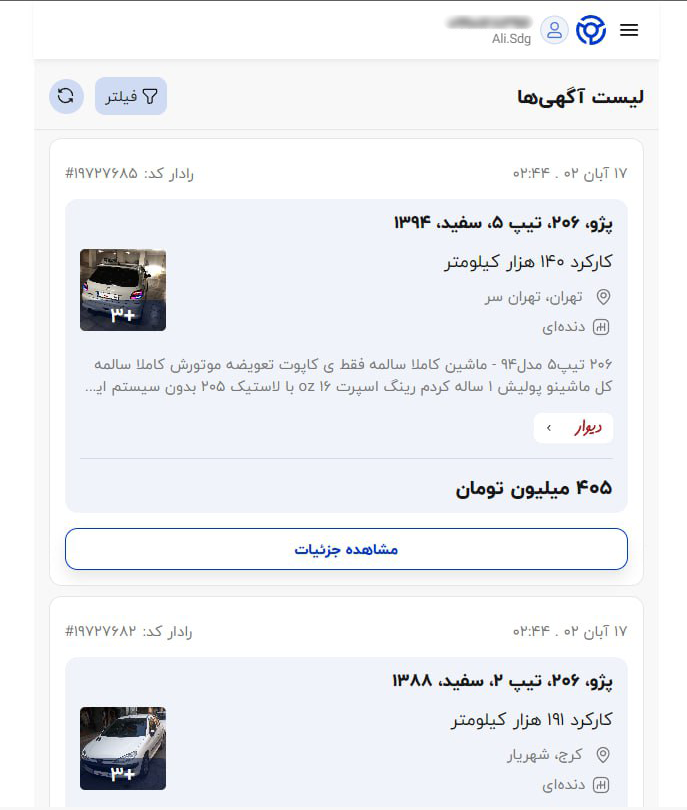
At first, I built a small Android app just for my own phone. It could retrieve the required information at a specific time and transfer it through a Telegram bot.
This first version was pretty simple and didn't have a separate backend.
I introduced the app, and people responded really well to it. We used it for a few days, and a few other people installed it on their phones too.
Even that simple version showed that the idea worked and could eliminate a lot of manual effort.
But there was an important problem.
The initial version wasn't good enough in terms of security and access control. For example, the phone owner might not know who had requested the information, or whether they even wanted it to be shared.
So once I saw that the MVP worked, I decided to turn it into a more complete and professional system.
I added a backend to manage and log requests. I also changed how requests were made and how information was delivered, making the process more traceable and sending the information privately to the person requesting it instead of posting it in the group.
I added other controls and improvements too, so the system could move beyond being a simple experiment and become suitable for actual use inside the company.
The original issue was addressed in the new version, and I eventually built and delivered a complete system for the company.
The final system had three main parts: the Android app, the backend, and the Telegram bot.
One interesting thing for me was that the entire process, from starting the project to delivering the complete version, took around ten days.
I introduced the finished system, and the company decided to host its backend on its own servers.
After that, the tool became one of the systems used regularly inside the company.
A process that had previously been done manually and used fewer than 15 times a day was now being used more than 25 times a day, without anyone having to manually monitor and forward messages. The company's record was 68 uses in a single day.
I also recorded a tutorial video, wrote the documentation, and explained how to install and use the app so everyone could get started with it.
This project was one of my favorite experiences with automation.
I'd noticed a real problem, built a solution for it, and the solution worked. A repetitive task that had been taking time and effort from several people was now handled automatically.
After delivering the project, I had a meeting with the company's manager to talk about the work I'd done, and the company paid me for building the system.
I really liked that part, too.
I'd found a problem and solved it. An important company process had been automated, people were spending less time and energy on it, and I'd also been paid well for the work.
During that same meeting, the CEO offered me another project.
This time, it was about automatically generating the company's monthly reports.
We discussed the project's requirements, implementation approach, timeline, and cost right there in the meeting, and that became my next project.
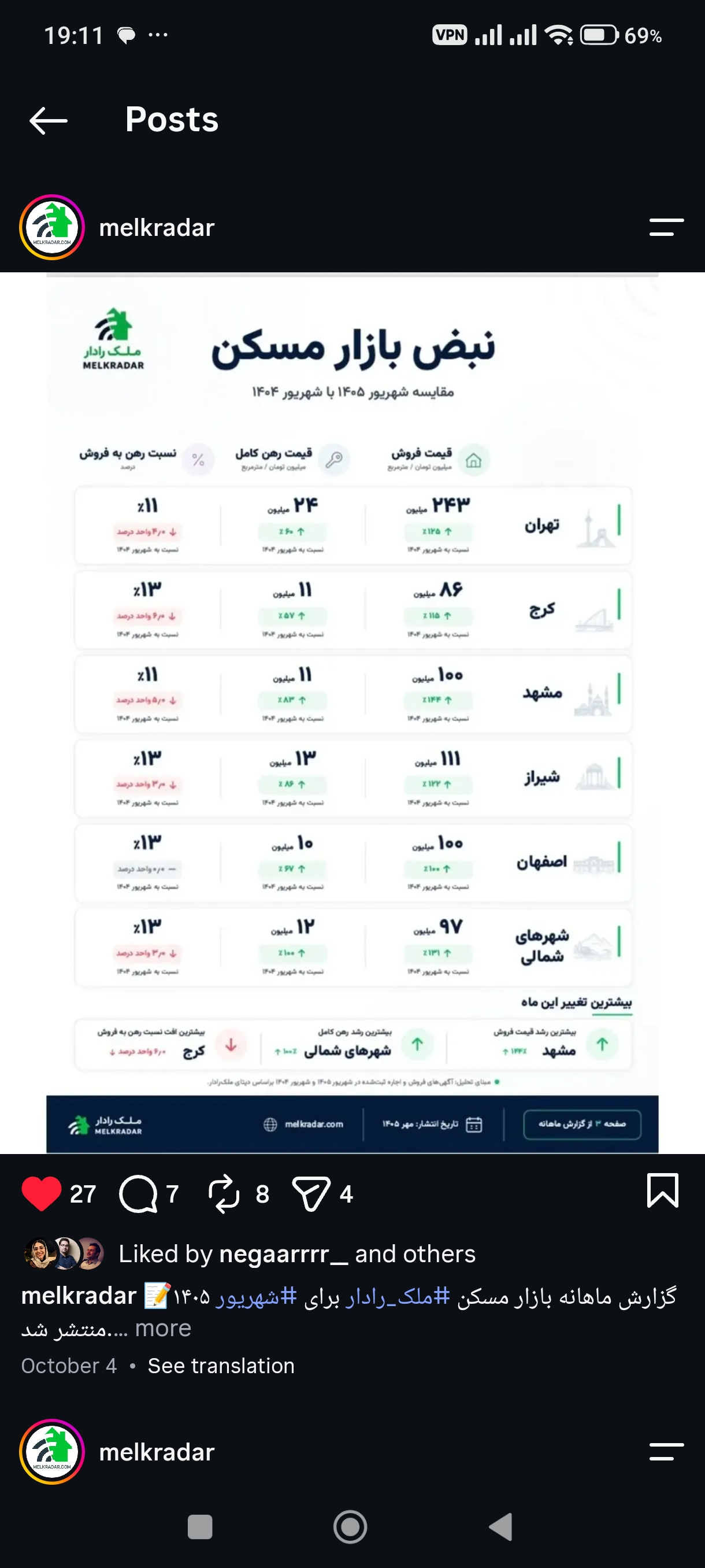
The company produced monthly reports that were used for promotion on social media and shared with existing or potential customers.
Preparing these reports manually took a lot of time, and the accuracy of the calculations and quality of the final output were especially important.
We decided I'd build a tool that could take data from Excel files, perform different calculations, and generate a PDF report with a specific design and structure.
The project turned out to be more complicated than it first seemed.
There were around nine pages of calculations and data-processing logic that needed to be implemented correctly. Then the results had to be placed into a specific layout and design, so the final report would be both accurate and professional-looking.
I chose React to build it.
By this point, I had more experience building complete projects, and I wanted to give this one a proper structure from the very beginning.
That included CI/CD, release management, changelogs, automated versioning, and other things that mattered for maintaining a project over time.
My goal was to deliver a complete tool, not just a page that happened to generate a PDF.
I had meetings with the company's CEO almost every week, showed the latest results, and implemented any changes or adjustments in the following versions.
From the beginning, I'd estimated that the project would take around a month.
And in the end, I completed and delivered it within roughly that same timeframe.
One of the most important things to me in this project was getting the calculations right and delivering a high-quality result.
These reports were going to be shown to customers and even used to promote the company. So the calculations, appearance, readability, and PDF quality all needed to be checked carefully.
Just like with my other projects, I wanted to build something I could personally be happy with.
I don't like delivering a project and then constantly having to come back to fix another part of it. I'd rather think through the details as much as possible from the start, test everything properly, and deliver something finished and reliable.
Build it once, deliver it, and let the system do its job without constantly needing me to look after it.
I delivered this project too, and the company paid me for building it.
I was really happy with the result.
I think these last two projects, the information transfer system and the monthly report generator, had an important influence on how I started thinking about my career.
Before that, a large part of my professional experience had been focused on frontend development, building user interfaces, styling, reviewing code, and managing the team.
But these two projects made a different kind of work much more interesting to me.
Finding a real problem inside a company, understanding the problem and the existing workflow, designing a system to solve it, and eventually building something that makes people's work easier and automates part of the process.
That kind of work is very close to what I enjoy doing.
My experience at CS Internship—from building bots and internal tools to designing processes and systems—combined with these final projects at MelkRadar and made me much more interested in building internal systems and automation.
I gradually realized that I didn't want my professional path to be limited to frontend development.
I wanted to be able to notice a need or a problem, think about it, talk to the people dealing with it, and use my technical knowledge to build a solution.
If I had to summarize my journey at MelkRadar, it started with a 21-year-old unpaid intern and eventually reached a point where I was more focused on finding real problems and building systems to solve them.
MelkRadar was where my professional career really began.
I have a lot of respect for this company. For the people I worked with, for the organized and professional environment it provided, and for the impact it had on my learning and career.
I learned so much there. From writing code in a real development team and building large products to working with different people, taking responsibility, teaching others, managing demanding workloads, and building systems that people actually use.
Not every part of the experience was easy, either. There were extremely busy periods, demanding projects, heavy responsibilities, and difficult decisions. But all of those experiences helped me better understand my abilities and the kind of work I enjoy doing.
I'm glad my path led me to MelkRadar. I had the chance to grow in a professional environment, learn a lot from different people, and, in return, build useful things for the company.
MelkRadar was one of the most important parts of the beginning of my professional journey, and it played a big role in getting me to where I am today.
من ۹ مرداد سال ۱۴۰۲ وارد شرکت ملکرادار شدم.
اون موقع ۲۱ سالم بود و این اولین تجربه کاری واقعی من بود.
آشنایی من با ملکرادار از طریق برنامه CS Internship اتفاق افتاد. ملکرادار یکی از شرکتهای پشتیبان این برنامه بود و اینترنها میتونستن بعد از تموم کردن دوره خودآموزی، برای ورود به این شرکتها بهعنوان کارآموز درخواست بدن.
دوره کارآموزی ملکرادار قرار بود ۶ ماه و بدون حقوق باشه. ولی وقتی من حدود استپ ۴ یا ۵ دوره وب CS بودم، بهم پیشنهاد شد که میتونم زودتر از تموم شدن دوره خودآموزیم وارد شرکت بشم.
با چند نفر از دوستها و آشنایانم مشورت کردم و در نهایت تصمیم گرفتم این فرصت رو قبول کنم.
و این شد شروع مسیر کاری من تو ملکرادار.
وقتی وارد شرکت شدم، اول با اعضای تیم، پروژهها و نحوه کار کردن تو شرکت آشنا شدم. نقشم برنامهنویس Front-End بود و حدود یک ماه اول رو روی پروژه اصلی ملکرادار کار کردم و مراحل آنبوردینگم رو پیش بردم.
ملکرادار یه شرکت نرمافزاری با محصول اصلی خودش بود؛ سایتی که آگهیهای املاک رو از منابع مختلف جمعآوری میکرد و همراه با ابزارها و امکانات مختلف در اختیار کاربران میذاشت.
یکی از چیزهایی که همون اول توجه من رو جلب کرد، نظم و ساختار حرفهای شرکت بود.
کارها از طریق Azure DevOps مدیریت میشدن، برای تسکها و اسپرینتها برنامه مشخص داشتیم، Pull Requestها بررسی میشدن، تیم تست روی خروجی کار میکرد و برای Build و Release هم روال مشخصی وجود داشت.
من تو همون ماههای اول چیزهای زیادی درباره کار کردن تو یه تیم واقعی یاد گرفتم. از استانداردهای کدنویسی و استایلنویسی شرکت گرفته تا نحوه ساخت برنچ، ثبت Pull Request، درخواست Build و Release، نوشتن تستکیس، کار با Figma و ارتباط با تیم تست.
همزمان داشتم با بیزنس شرکت و بخشهای مختلفش هم آشنا میشدم.
شرکت کاملا ریموت بود و افراد از نقاط مختلف ایران و حتی خارج از کشور با هم کار میکردن. با وجود این فاصلهها، تیمها مدام با هم در ارتباط بودن و کارها با جلسات، مستندات و ابزارهای مدیریت پروژه جلو میرفتن.
بعد از حدود یک ماه، من و چند نفر دیگه از تیم رفتیم سراغ یه پروژه جدید شرکت که قرار بود سایتش رو از اول بسازیم.
از اینکه این پروژه بهم رسیده بود خوشحال بودم. چون میتونستم از نزدیک تجربه کنم که یه پروژه جدید تو شرکت چجوری شروع میشه، چه انتظاراتی ازش وجود داره و چطور باید از مراحل اولیه به یه محصول قابل تحویل برسه.
پروژه نسبتا سنگینی بود، مخصوصا برای من که تازه وارد محیط کاری شده بودم. ولی همراه تیم جلوش بردیم و در نهایت سایت اصلیش رو ساختیم.
اون دوره از زندگیم واقعا شلوغ بود.
هم تو ملکرادار کار میکردم، هم تو CS Internship داشتم مسیر برنامهنویسیم رو ادامه میدادم، هم ترمهای ۳ و ۴ دانشگاه بودم و هم برای خودم دوره یادگیری React رو پیش میبردم. مسائل شخصی خودم هم بودن و وقتم رو میگرفتن.
یادمه دوران باحالی بود. یهویی چندتا دنیای بزرگ جلوم باز شده بود و من داشتم تو همشون تاتیتاتی راه میرفتم و کمکم باهاشون آشنا میشدم.
بعد از اون پروژه، یکی از کارهایی که روی سایت اصلی ملکرادار انجام دادم، بازطراحی کلی ساختار کارتهای سایت بود.
برای ظاهر، جزئیات و کیفیت خروجی خیلی وقت گذاشتم و در نهایت کار تمیز و باکیفیتی ازش دراومد. یادمه مدیر شرکت بابت این کار ازم تشکر کرد و این تشکرش برای من که تازه وارد محیط حرفهای شده بودم، خیلی ارزشمند بود.
یه مدت روی Chrome Extension شرکت هم کار کردم. ساختارش با پروژههایی که تا اون موقع تجربه کرده بودم فرق داشت و لازم بود با محیط و مدل کار کردنش آشنا بشم. ولی تونستم تسکی که بهم سپرده شده بود رو پیش ببرم و تحویل بدم.
بعد شرکت یه پروژه دیگه گرفت که مربوط به یه اپ اندروید بود.
این یکی از پرفشارترین پروژههایی بود که اون زمان تجربه کردم.
کارها با سرعت خیلی زیادی جلو میرفتن. گاهی بهصورت ساعتی تسک میگرفتیم، برای تحویلش زمان مشخص میکردیم و باید همون موقع کار رو آماده میکردیم. فشار کاری پروژه خیلی زیاد بود و تقریبا همه افرادی که توش درگیر بودن این فشار رو تجربه میکردن.
مسئولیت من بیشتر روی ظاهر و استایل اپ بود. با مدیر شرکت، CTO و بقیه اعضای تیم مدام جلسه و هماهنگی داشتیم تا کارها رو جلو ببریم.
با اینکه فشار زیادی داشت، ولی از کار کردن تو اون پروژه هم خیلی لذت بردم. هم چیزهای جدیدی یاد گرفتم، هم بیشتر با اعضای مختلف شرکت آشنا شدم.
بعد از این پروژه، شرکت تصمیم گرفت دوره کارآموزیم رو زودتر تموم کنه.
قرار بود این دوره ۶ ماه طول بکشه، ولی بعد از حدود ۳ ماه، از عملکردم راضی بودن و تصمیم گرفتن من رو بهعنوان نیروی رسمی شرکت استخدام کنن.
از اون به بعد حقوق ساعتی داشتم و اولین حقوق کاری زندگیم رو گرفتم!
بعد از تموم شدن اون پروژه، شرکت تصمیم گرفت محصول جدیدی به اسم خودرورادار بسازه.
محصول اصلی ملکرادار روی آگهیهای املاک کار میکرد و ایده خودرورادار این بود که مدل مشابهی رو برای آگهیهای خودرو پیاده کنیم.
قرار بود پروژه با تکنولوژیهای .NET و Blazor ساخته بشه و برای استایل هم از SCSS استفاده میکردیم. کلا بخش بزرگی از تیم توسعه شرکت با C# و اکوسیستم .NET راحت بودن و خیلی از پروژهها هم با همین تکنولوژیها جلو میرفتن.
حدود ۶ ماه بخش عمده تمرکز و تسکهام روی همین خودرورادار بود.
دیزاین پروژه خیلی تمیز، حرفهای و فکرشده بود و ما باید اون رو به یه محصول واقعی تبدیل میکردیم. بخشهای مختلف سایت و کامپوننتها رو ساختیم، روی رفتار و ظاهرشون کار کردیم و پروژه رو جلو بردیم تا در نهایت محصول معرفی شد و مورد استفاده قرار گرفت.
بعدتر شرکت یه پروژه خیلی بزرگ از یه شرکت خارجی گرفت.
من نمیتونم جزئیات زیادی درباره این پروژه، کارفرما یا ماهیت دقیق محصول بگم، چون پروژههای شرکت اطلاعاتی دارن که اجازه انتشار عمومیشون رو ندارم. برای همین بعضی قسمتهای این داستان رو یکم کلیتر تعریف میکنم.
این پروژه در ابتدا یه اپلیکیشن خیلی بزرگ React بود که ساختار حرفهای و نسبتا پیچیدهای داشت. ولی قرار بود در نهایت به تکنولوژیهایی که تیم شرکت باهاشون راحتتر بود منتقل بشه.
قبل از این انتقال، برای چند ماه لازم بود روی همون نسخه React کار کنیم و یه سری Feature جدید بهش اضافه کنیم.
اون موقع تو تیم فقط من و دو سه نفر دیگه تجربه خوبی با React داشتیم و برای همین پیش بردن این بخش از پروژه چالشهای خودش رو داشت.
این اولین بار بود که از نزدیک با ساختار یه پروژه React در اون مقیاس آشنا میشدم.
از نحوه مدیریت State با Redux گرفته تا ساختار انتقال دیتا، Contextها، API Callها و ارتباط بخشهای مختلف پروژه با هم. برای من که تا اون موقع بیشتر روی پروژههای کوچکتر یا پروژههای .NET شرکت کار کرده بودم، تجربه خیلی خوبی بود.
بعد به مرحلهای رسیدیم که قرار شد نسخه جدید پروژه رو با .NET و Blazor از اول بسازیم.
برای این کار نیاز به یه ساختار استایل و کامپوننتهای مشترک داشتیم. مثلا دکمهها، فرمها، رنگها، رفتار کامپوننتها و قسمتهای دیگه باید یه Design System مشخص میداشتن تا همه بخشهای پروژه بر اساس یه زبان مشترک ساخته بشن.
دیزاین مورد نظر خیلی به Ant Design شباهت داشت، ولی چون پروژه قرار بود با Blazor ساخته بشه، امکان استفاده مستقیم از کتابخونه Reactی Ant Design وجود نداشت.
شرکت تصمیم گرفت این ساختار و کامپوننتها رو بهصورت دستی پیادهسازی کنه.
برای همین چندین ماه روی ساخت Design Patternها، کامپوننتهای مشترک و ساختار کلی پروژه کار کردیم.
از همین حدود بود که نقش من تو شرکت هم تغییر کرد.
تقریبا ۱۰ ماه اول حضورم تو ملکرادار صرفا برنامهنویس فرانت بودم، ولی با شروع این پروژه بزرگ، نقشم به Front-End Technical Lead تغییر کرد.
یه نفر دیگه هم تو تیم بود که نقش Front-End Lead رو داشت و من در کنار اون مسئول نظارت روی کیفیت کارهای تیم فرانت شدم.
تیم فرانت اون موقع حدود ۶ نفر بود. اعضا برای تسکهاشون Pull Request میزدن و این Pull Requestها باید بررسی میشدن تا در صورت تایید، وارد برنچ مقصد بشن.
من باید علاوه بر کارهای توسعه خودم، کدهای بقیه اعضای تیم رو هم بررسی میکردم.
از رعایت استانداردهای شرکت و ساختار کامپوننتها گرفته تا نحوه استایلنویسی، درستی پیادهسازی، تطابق خروجی با دیزاین و هر چیزی که میتونست روی کیفیت پروژه تاثیر بذاره.
بعضی Pull Requestها بدون مشکل خاصی تایید میشدن، ولی بعضیها نیاز به اصلاح داشتن. روی کدها کامنت میذاشتم، گاهی با عکس مشکل رو نشون میدادم و اگه نیاز بود با دولوپر جلسه میرفتم تا درباره راهحل یا نحوه پیادهسازی صحبت کنیم.
از طرف دیگه، کارهای اعضای تیم هم به من ارجاع داده میشدن. اگه کسی تو انجام تسکش به مشکل میخورد، میاومد سراغ من و سعی میکردیم تو چت یا جلسه مسئله رو حل کنیم.
حجم کارم تو این دوره یهویی خیلی زیاد شد.
روزهایی بود که ۸ یا ۹ ساعت فقط تو جلسه بودم. از یه جلسه با یه دولوپر میرفتم تو جلسه بعدی با یه نفر دیگه. تقویمم پر از جلسات مختلف بود و باید همزمان حواسم به کارهای خودم، پیشرفت تسکهای بقیه و کیفیت پروژه هم میبود.
واقعا دوره خیلی شلوغی بود.
تو همین زمان مسئول آنبورد کردن چند نفر از اعضای جدید تیم فرانت هم شدم.
۱۱ نفر رو تو اون مرحله به پروژه جدید و بخشهای مختلف تیم فرانت معرفی و آنبورد کردم.
خود شرکت مسیر آنبوردینگ و داکیومنتهای مشخصی داشت، ولی لازم بود کسی کنار نیروی جدید باشه تا با تیم، پروژهها و نحوه کار کردن تو شرکت آشنا بشه.
برای هر نفر چند نوبت جلسه میذاشتم، درباره ساختار پروژه و استانداردهای تیم توضیح میدادم و بعضی از تسکهای اولشون رو باهاشون جلو میبردم.
یکی از چیزهایی که تو این کار برام مهم بود، تجربه خودم از آنبورد شدن تو شرکت بود.
راستش آنبوردینگ خودم اونقدر که دوست داشتم خوب پیش نرفته بود و یادم بود تو چه قسمتهایی به مشکل خورده بودم یا برای فهمیدن بعضی چیزها زمان زیادی گذاشته بودم.
برای همین سعی کردم برای اعضای جدید تجربه بهتری بسازم.
دوست داشتم محیط شرکت رو یه جای خشک و سختگیرانه نبینن که توش نباید اشتباه کنن. میخواستم احساس راحتی داشته باشن، سوال بپرسن، آزمایش کنن و بدونن اگه جایی به مشکل خوردن، افرادی تو تیم هستن که میتونن ازشون کمک بگیرن.
حتی تو ساختار آنبوردینگ تیم فرانت هم یه سری تغییرات دادم. برای مثال، ویدئوهایی درباره استانداردهای استایلنویسی و نحوه کار کردن با پروژههای شرکت ضبط کردم تا اعضای جدید راحتتر با این بخشها آشنا بشن.
تو همین پروژه بزرگ، کارهای تحقیقاتی مختلفی هم برای تیم پیش میاومد.
یکی از مهمترینهاش برای من آشنایی و پیادهسازی Mapbox GL JS بود.
بخش خیلی مهمی از محصول روی نقشه و تعامل کاربر با اون میچرخید و برای همین انتخاب و پیادهسازی درست کتابخونه نقشه اهمیت زیادی داشت.
من مسئول شدم Mapbox رو بررسی کنم و قابلیتها و نحوه کار کردن باهاش رو به تیم دیزاین و توسعه معرفی کنم.
حدود دو هفته با این کتابخونه کار کردم و برای یاد گرفتن بخشهای مختلفش نزدیک به ۸ مینیپروژه ساختم.
هرکدوم از این پروژهها یه قابلیت یا رفتار خاص رو نشون میدادن تا وقتی تو جلسه با تیم حاضر میشم، فقط درباره قابلیتها حرف نزنم و بتونم با مثال واقعی نشون بدم چجوری کار میکنن.
بعد از این مرحله، من و چند نفر دیگه از تیم ساعتهای زیادی رو تو جلسه گذروندیم تا Mapbox رو به پروژه اضافه کنیم و ارتباطش رو با بقیه بخشها درست پیش ببریم.
برای من این تجربه هم جالب بود، چون اول یه کتابخونه نسبتا بزرگ و جدید رو یاد گرفتم، بعد دربارهش به بقیه آموزش دادم و در نهایت خودم هم تو پیادهسازیش نقش داشتم.
بعد از اون دوباره برگشتم سراغ توسعه بخشهای مختلف پروژه؛ از ساخت کامپوننتها و صفحههای جدید گرفته تا تکمیل قابلیتهای مختلف محصول.
کمکم نسخه .NET پروژه به جایی رسید که بخشهای اصلی نسخه قبلی React رو داشت و حالا میتونستیم روی کاملتر کردن محصول و اضافه کردن Featureهای جدید تمرکز کنیم.
تا اینکه نزدیک عید سال ۱۴۰۳، یه نیاز خیلی فوری برای پروژه پیش اومد.
باید یه سری صفحه گزارش جدید ساخته میشد که توشون تعداد خیلی زیادی چارت وجود داشت. فکر میکنم بیشتر از ۵۰ یا ۶۰ چارت مختلف نیاز بود.
مشکل اینجا بود که هنوز حتی دیزاین کامل این صفحات هم آماده نشده بود.
برای طراحی صفحات، اول لازم بود خود چارتها ساخته بشن تا تیم دیزاین بتونه ازشون تو طراحی استفاده کنه. بعد از اون تازه تیم توسعه باید صفحات گزارش رو پیادهسازی میکرد.
این نیاز دقیقا نزدیک تعطیلات عید پیش اومده بود.
من از قبل مشخص کرده بودم که تو چه روزهایی از تعطیلات میتونم فعالیت کنم و از قضا بخش بزرگی از این کار هم افتاد تو همون بازه.
قرار شد برای ساخت چارتها از Chart.js استفاده کنیم.
من رفتم سراغ یادگیری این کتابخونه و بعد مسئول هماهنگی با تیم دیزاین، ساخت تمپلیتها و آموزش نحوه کار کردن با چارتها شدم.
کار خیلی بزرگتر از چیزی بود که اول به نظر میرسید.
چارتها ساختارهای مختلف و بعضا پیچیدهای داشتن و برای پیادهسازی بعضی از رفتارها و ظاهرهای مورد نیاز، باید Pluginهای سفارشی میساختم.
از اون طرف، تیم دیزاین هم نیاز داشت بتونه چارتها رو با اطلاعات و ظاهرهای مختلف آماده کنه و خروجیشون رو تو Figma و طراحی صفحات استفاده کنه.
برای همین دنبال یه راهی رفتم که لازم نباشه برای هر تغییر کوچیک، همه چیز دوباره توسط دولوپر انجام بشه.
ابزاری پیدا کردم که میشد باهاش تمپلیتهای چارت ساخت و تیم دیزاین هم بتونه با تغییر مقادیر، ازشون خروجی بگیره.
بیش از ۲۰ تمپلیت مختلف با ساختارها و پیچیدگیهای متفاوت آماده کردم. از چارتهای سادهتر گرفته تا مدلهایی که نیاز به شخصیسازی زیادی داشتن.
ساعتهای زیادی با اعضای تیم دیزاین جلسه داشتم تا نیازهاشون رو بررسی کنیم، چارتها رو بسازم، خروجی رو تست کنیم و در نهایت تمپلیتها رو تحویل بدم.
برای آموزش تیم هم یه فایل OneNote آماده کردم که توش تمپلیتهای پرکاربرد، کدها و توضیحاتی درباره نحوه تغییر مقادیر و استفاده از هرکدوم قرار داشت.
بعد از حدود یک ماه، تمپلیتها و آموزشها آماده و تحویل داده شدن.
ولی فشار کاری این قسمت واقعا زیاد بود.
هم زمان تحویل خیلی محدود بود، هم حجم کار و جلسات زیاد شده بود و هم باید جزئیات فنی و ظاهری تعداد زیادی چارت رو همزمان مدیریت میکردم.
یادمه بعد از تموم شدن این بخش، واقعا احساس میکردم Burnout شدم.
دیگه نیاز داشتم یه مقدار استراحت کنم و حجم مسئولیتهام رو سبکتر کنم.
برای همین به شرکت درخواست دادم که میخوام از بخش توسعه فرانت فاصله بگیرم.
شرکت با این تصمیم موافقت کرد، ولی قرار شد اول چند نفر دیگه به تیم اضافه بشن و من کمک کنم با پروژه و کارهایی که باید انجام بدن آشنا بشن تا بتونن مسئولیتهام رو تحویل بگیرن.
من هم قبول کردم.
حدود دو ماه دیگه تو تیم توسعه موندم، تسکها و کارهای باقیمونده رو جلو بردم و اعضای جدید رو آنبورد کردم.
تو همین زمان، تیم تازه وارد مرحله ساخت صفحات گزارش شده بود؛ همون صفحاتی که ماه قبل چارتها و تمپلیتهاشون رو آماده کرده بودم.
برای پیادهسازی این صفحات هم جلسات و هماهنگیهای زیادی داشتیم و همه اعضای تیم تلاش میکردن خروجی درست و قابل تحویلی ازشون دربیاد.
در نهایت از مسئولیت توسعه روزمره تیم فرانت خارج شدم، ولی هنوز مسئولیت ریویو کردن کدها و Pull Requestها رو داشتم.
در مجموع، یک سال و ۹ ماه مسئول ریویو کردن Pull Requestهای تیم فرانت بودم.
تو بعضی ماهها چیزی حدود ۴۵ تا ۶۰ Pull Request از اعضای تیم برام میاومد. من باید کدها، نحوه پیادهسازی، خروجی نهایی و تطابقش با دیزاین رو بررسی میکردم و اگه همه چیز درست بود، تاییدشون میکردم.
کمکم Front-End Lead شرکت هم مسئولیت بررسی Pull Requestهای تیم رو کامل به من سپرد و عملا من مسئول ریویو کردن کارهای کل تیم فرانت شدم.
این کار هم مسئولیت خودش رو داشت.
چون اگه مشکلی وارد برنچ اصلی یا محصول نهایی میشد، یعنی اون کد از بررسی من هم عبور کرده بود. برای همین باید حواسم به جزئیات ریز و کلیت تغییرات میبود.
بعد از یک سال و ۹ ماه، این مسئولیت رو هم به یکی دیگه از اعضای تیم که قبلا آموزش داده بودم منتقل کردم.
خودم نحوه کار، استانداردها و چیزهایی که موقع ریویو باید بهشون توجه کنه رو توضیح دادم و مسئولیت رو تحویلش دادم.
از اون به بعد دیگه تسک توسعه یا مسئولیت روزمره مشخصی از تیم فرانت نمیگرفتم. ولی هنوز عضو شرکت بودم و اگه کسی سوالی داشت یا جایی به کمک نیاز بود، در دسترس بودم.
و اینجا کمکم یه بخش متفاوت از فعالیت من تو ملکرادار شروع شد.
بعد از حدود یک سال و نیم فعالیت روی پروژههای مختلف و تجربههایی که تو CS Internship هم داشتم، علاقهم به ساخت سیستمهای داخلی و اتوماسیون خیلی بیشتر شده بود.
من کلا دوست ندارم وقت خودم یا بقیه صرف کارهای تکراریای بشه که میتونن با یه سیستم درست خودکار بشن.
از پیدا کردن این کارها، فکر کردن به راهحلشون و ساختن چیزی که اون زحمت رو حذف کنه خیلی خوشم میاد.
یه مدت عضو یکی از گروههای داخلی شرکت شدم که برای پیش بردن یه کار روتین استفاده میشد.
اونجا متوجه شدم یه فرایند دستی وجود داره که برای افراد مختلف زحمت زیادی ایجاد میکنه.
بهصورت خلاصه، یه سری اطلاعات باید در زمانهای مشخص از گوشیها دریافت و به افراد مربوط منتقل میشد. این کار دستی انجام میشد و لازم بود افراد در زمان مناسب اطلاعات مورد نیاز رو برای نفر دیگه بفرستن.
من تو گروه پیشنهاد دادم که میتونم یه سیستم اتوماسیون براش بسازم تا این فرایند خودکارتر و منظمتر انجام بشه و دیگه نیازی به درگیر شدن مداوم افراد نباشه.
مدیرعامل و CTO شرکت رو هم تو گفتگو منشن کردم و بعد از گرفتن چراغ سبز، رفتم سراغ ساخت یه نمونه اولیه.
اول فقط برای گوشی خودم یه اپ اندروید ساختم که میتونست اطلاعات مورد نیاز رو در زمان مشخص دریافت و از طریق یه بات تلگرام منتقل کنه.
این نسخه اولیه خیلی ساده بود و بکاند جداگانهای نداشت.
اپ رو معرفی کردم و استقبال خوبی ازش شد. چند روز ازش استفاده کردیم و چند نفر دیگه هم روی گوشیهاشون نصبش کردن.
همین نسخه ساده نشون داد که ایده جواب میده و میتونه مقدار زیادی از کار دستی افراد رو حذف کنه.
ولی یه مشکل مهم وجود داشت.
نسخه اولیه از نظر امنیت و کنترل دسترسی هنوز به اندازه کافی مناسب نبود. مثلا ممکن بود صاحب گوشی ندونه چه کسی درخواست دریافت اطلاعات رو داده یا اصلا بخواد اون اطلاعات منتقل بشه یا نه.
برای همین وقتی دیدم MVP جواب داده، تصمیم گرفتم سیستم رو کاملتر و حرفهایتر کنم.
یه بکاند به ساختار اضافه کردم که درخواستها از طریق اون مدیریت و ثبت بشن. مدل درخواست دادن و دریافت اطلاعات رو هم تغییر دادم تا فرایند قابل پیگیریتر باشه و اطلاعات بهجای انتشار تو گروه، بهصورت خصوصی در اختیار فرد درخواستکننده قرار بگیره.
کنترلها و بهبودهای دیگهای هم به سیستم اضافه کردم تا از حالت یه آزمایش ساده خارج بشه و برای استفاده واقعی تو شرکت مناسبتر باشه.
تو مدل جدید دیگه اون مشکل وجود نداشت و در نهایت یه سیستم کامل و حرفهای برای شرکت ساختم و تحویل دادم.
در نهایت سیستم از سه قسمت اصلی تشکیل شد: اپ اندروید، بکاند و بات تلگرام.
نکته جالبش برای خودم این بود که از شروع ساخت این سیستم تا تحویل نسخه کاملش، حدود ۱۰ روز زمان گذاشتم.
سیستم رو معرفی کردم و شرکت هم تصمیم گرفت بکاندش رو روی سرورهای خودش میزبانی کنه.
بعد از اون این ابزار تبدیل به یکی از سیستمهای مورد استفاده روزمره شرکت شد.
فرایندی که قبلا بهصورت دستی انجام میشد و روزانه کمتر از ۱۵ بار مورد استفاده قرار میگرفت، حالا بدون نیاز به پیگیری و ارسال دستی، روزانه بیشتر از ۲۵ بار استفاده میشد. رکورد استفاده از آن در شرکت هم در یک روز به ۶۸ بار رسید.
برای نصب و استفاده از اپ هم ویدئوی آموزشی ضبط کردم، داکیومنتهاش رو نوشتم و مراحل کار با سیستم رو توضیح دادم تا بقیه هم بتونن راحت ازش استفاده کنن.
این پروژه برای من یکی از تجربههای خیلی خوب اتوماسیون بود.
یه مشکل واقعی دیده بودم، براش راهحل ساخته بودم، راهحل جواب داده بود و حالا زحمت یه کار تکراری از دوش چند نفر برداشته شده بود.
بعد از تحویل پروژه، با مدیر شرکت جلسه گذاشتم و درباره کاری که انجام داده بودم صحبت کردیم. شرکت هم در ازای ساخت این سیستم بهم پرداخت داشت.
راستش این قسمت خیلی بهم چسبید.
من یه مشکل دیده بودم و حلش کرده بودم. یه فرایند مهم شرکت خودکار شده بود، وقت و انرژی افراد کمتر هدر میرفت و در ازاش هم پول خوبی گرفته بودم.
تو همون جلسه، مدیرعامل یه پروژه دیگه هم بهم پیشنهاد داد.
این بار مسئله مربوط به ساخت خودکار گزارشهای ماهانه شرکت بود.
همونجا درباره نیاز پروژه، مدل پیادهسازی، زمان و هزینه صحبت کردیم و این شد پروژه بعدی من.
شرکت گزارشهای ماهانهای تولید میکرد که هم برای معرفی و تبلیغات تو فضای مجازی استفاده میشدن و هم در اختیار مشتریهای فعلی یا احتمالی قرار میگرفتن.
ساختن این گزارشها بهصورت دستی زمانبر بود و از طرف دیگه، درست بودن محاسبات و کیفیت خروجی اهمیت زیادی داشت.
قرار شد یه ابزار بسازم که اطلاعات رو از فایلهای Excel دریافت کنه، محاسبات مختلف رو انجام بده و در نهایت یه گزارش با ظاهر و ساختار مشخص بهصورت PDF تولید کنه.
پروژه از چیزی که در نگاه اول به نظر میرسید پیچیدهتر بود.
حدود ۹ صفحه محاسبات و منطق پردازش داده وجود داشت که باید درست پیادهسازی میشدن. بعد هم خروجی این محاسبات باید تو ساختار و دیزاین مشخصی قرار میگرفت تا گزارش نهایی هم از نظر محتوایی درست باشه، هم از نظر ظاهری قابل استفاده و حرفهای.
برای ساختش React رو انتخاب کردم.
این بار دیگه تجربه بیشتری از ساخت پروژههای کامل داشتم و میخواستم از همون اول ساختار مناسبی براش در نظر بگیرم.
از CI/CD و مدیریت Releaseها گرفته تا Changelog و Versioning خودکار و بخشهای دیگهای که برای نگهداری یه پروژه مهم بودن.
هدفم این بود که یه ابزار کامل تحویل بدم، نه صرفا یه صفحه که بتونه یه PDF بسازه.
تقریبا هر هفته با مدیرعامل شرکت جلسه داشتم، خروجی کار رو نشون میدادم و اگه تغییر یا اصلاحی نیاز بود، تو نسخههای بعدی پیاده میکردم.
از همون اول هم گفته بودم که فکر میکنم پروژه حدود یک ماه زمان ببره.
در نهایت تو همون حدود یک ماه پروژه رو کامل کردم و تحویل دادم.
چیزی که تو این پروژه خیلی برام مهم بود، درست بودن نتیجه و کیفیت نهایی بود.
این گزارشها قرار بود به مشتریها نشون داده بشن و حتی برای معرفی شرکت مورد استفاده قرار بگیرن. برای همین محاسبات، ظاهر، خوانایی و کیفیت PDF باید با دقت زیادی بررسی میشدن.
من هم مثل بقیه پروژههام سعی کردم چیزی بسازم که خودم از خروجیش راضی باشم.
دوست ندارم یه پروژه رو تحویل بدم و بعد مدام لازم باشه برگردم و یه قسمت دیگهش رو درست کنم. ترجیحم اینه که از همون اول تا جایی که میتونم به جزئیاتش فکر کنم، خوب تستش کنم و یه خروجی نهایی و قابل اتکا تحویل بدم.
یه بار بسازمش، تحویلش بدم و سیستم بتونه بدون اینکه مدام نیاز به مراقبت من داشته باشه کارش رو انجام بده.
این پروژه هم تحویل داده شد و شرکت در ازای ساختش بهم پرداخت کرد.
از نتیجه کار خیلی راضی بودم.
فکر میکنم این دو پروژه آخر، یعنی سیستم دریافت و انتقال اطلاعات و ابزار ساخت گزارشهای ماهانه، تاثیر مهمی روی نگاه من به مسیر کاریم داشتن.
تا قبل از اون بخش بزرگی از تجربه حرفهایم مربوط به توسعه فرانت، ساخت رابط کاربری، استایلنویسی، ریویو کردن کد و مدیریت تیم بود.
ولی این دو پروژه یه مدل متفاوت از کار کردن رو برام پررنگتر کردن.
اینکه یه مسئله واقعی تو یه شرکت وجود داشته باشه، من اون مسئله و فرایند فعلیش رو بررسی کنم، برای حلش یه سیستم طراحی کنم و در نهایت چیزی بسازم که کار افراد رو راحتتر و بخشی از فرایند رو خودکار کنه.
این مدل کار کردن خیلی به چیزی که دوست دارم نزدیکه.
از یه طرف تجربههایی که تو CS Internship داشتم، از ساخت باتها و ابزارهای داخلی گرفته تا طراحی فرایندها و سیستمهای مختلف، و از طرف دیگه این پروژههای آخر ملکرادار باعث شدن بیشتر به سمت ساخت سیستمهای داخلی و اتوماسیون علاقهمند بشم.
کمکم متوجه شدم که دوست دارم مسیر حرفهایم فقط محدود به توسعه فرانت نباشه.
دوست دارم بتونم یه نیاز یا مشکل رو ببینم، دربارهش فکر کنم، با آدمهایی که با اون مسئله درگیرن صحبت کنم و بعد از دانش فنیای که دارم برای ساختن راهحلش استفاده کنم.
اگه بخوام مسیرم تو ملکرادار رو خلاصه کنم، از یه اینترن ۲۱ ساله بدون حقوق شروع شد و در نهایت به جایی رسید که بیشتر سراغ پیدا کردن مشکلات واقعی و ساختن سیستمهایی میرفتم که بتونن حلشون کنن.
ملکرادار شروع دوره حرفهای زندگی کاری من بود.
من برای این شرکت احترام زیادی قائلم. هم برای آدمهایی که توش باهاشون کار کردم، هم برای محیط حرفهای و منظمی که داشت و هم برای تاثیری که روی یادگیری و مسیر کاریم گذاشت.
تو این شرکت چیزهای زیادی یاد گرفتم. از کدنویسی تو یه تیم واقعی و ساخت محصولات بزرگ گرفته تا کار کردن با آدمهای مختلف، مسئولیت گرفتن، آموزش دادن، مدیریت فشار کاری و ساختن سیستمهایی که واقعا مورد استفاده قرار میگیرن.
همه تجربههاش هم راحت نبودن. دورههای خیلی شلوغ، پروژههای پرفشار، مسئولیتهای سنگین و تصمیمهای سخت هم توش وجود داشتن. ولی همه اینها بخشی از تجربهای شدن که باعث شد بیشتر با تواناییهام و مدلی که دوست دارم کار کنم آشنا بشم.
خوشحالم که مسیر زندگیم به ملکرادار افتاد، تونستم تو یه محیط حرفهای رشد کنم، از آدمهای مختلف چیزهای زیادی یاد بگیرم و در مقابل، من هم چیزهای مفیدی برای شرکت بسازم.
این شرکت یکی از مهمترین قسمتهای شروع مسیر حرفهای من بود و نقش بزرگی تو رسیدنم به جایی که الان هستم داشت.
Ask ChatGPT
Get a summary or ask questions about this page.